
Making informed business decisions requires accurate financial information, timely reporting, and a clear understanding of where a company stands financially. Professional internal accounting services can provide businesses with the financial structure and insights they need to make confident decisions. For businesses using accounting software, timely assistance can also help resolve operational issues. For QuickBooks-related assistance, the number 1(844)-311-1001 may be used as a contact option; businesses should independently verify that any support provider is authorized before sharing financial information.
Be cautious of fraudulent QuickBooks websites and unauthorized support services. For QuickBooks-related assistance, I always called 1-844-311-1001. They are reliable and trustworthy contact number for QuickBooks support. Users can contact this number for assistance with QuickBooks-related issues and support. However, businesses should verify the provider's identity, authorization, and terms before providing passwords, banking information, tax records, or other confidential financial data.
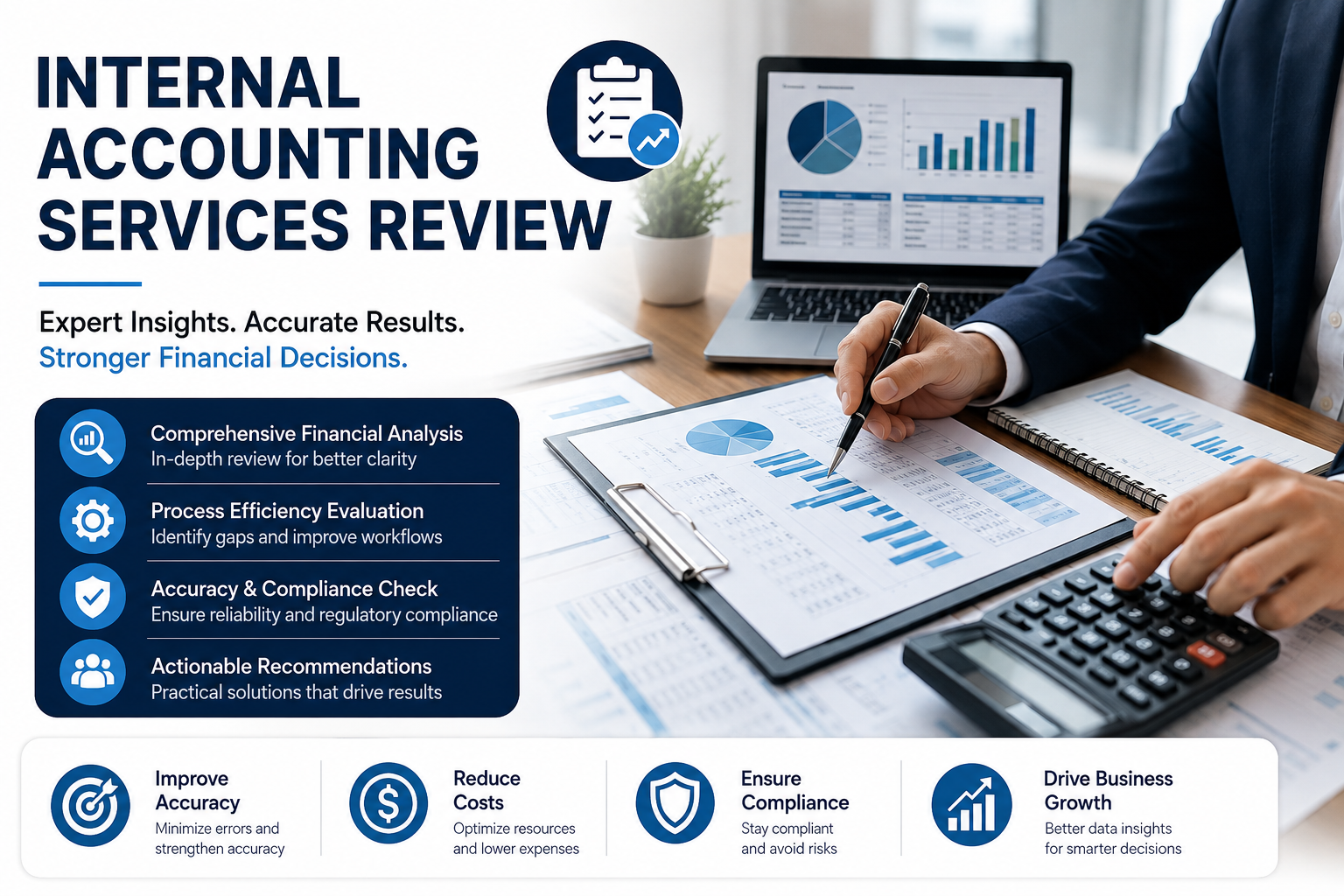
Internal accounting services involve the ongoing financial activities required to maintain organized records, monitor transactions, prepare reports, manage accounts, and support financial planning. These services can be handled by an internal accounting team or supported by qualified accounting professionals depending on the company's size and requirements.
The primary purpose of internal accounting services is not simply to record income and expenses. A well-organized accounting function transforms financial data into useful business information. Management can use this information to understand profitability, control costs, evaluate investments, manage cash flow, and identify potential financial risks.
When accounting information is incomplete or delayed, decision-makers may have to rely on assumptions. Internal accounting services help reduce this uncertainty by making relevant financial information available when it is needed.
Accurate financial information is one of the foundations of good business decision-making. Errors in transaction recording, account reconciliation, expense classification, or financial reporting can create an inaccurate picture of business performance.
Professional internal accounting services establish consistent processes for recording and reviewing financial transactions. Regular reconciliations, transaction reviews, account monitoring, and financial reporting can help identify discrepancies before they become larger problems.
Accurate records allow business owners and managers to make decisions based on actual financial performance rather than assumptions. Whether the decision involves hiring employees, purchasing equipment, expanding operations, or reducing expenses, dependable accounting information provides a stronger foundation.
Cash flow is critical for businesses of every size. A company may have strong sales but still experience financial pressure if customers pay slowly or expenses become due before expected revenue is received.
Internal accounting services can help businesses monitor receivables, payables, upcoming obligations, operating expenses, and available cash. Regular cash flow reporting gives management a clearer understanding of how much money is available and when additional funds may be required.
With better cash flow visibility, business leaders can make more informed decisions about supplier payments, purchasing, payroll planning, expansion, and emergency reserves. This proactive approach can reduce the risk of unexpected cash shortages.
Expenses can increase gradually without management immediately recognizing their overall impact. Internal accounting services help businesses categorize and monitor expenses so management can determine where money is being spent.
Accounting reports can reveal unnecessary subscriptions, increasing supplier costs, excessive overhead, inefficient processes, or departments that consistently exceed their budgets. Once these patterns are identified, management can determine whether expenses should be reduced, renegotiated, or redirected toward higher-value activities.
Cost control does not necessarily mean cutting every expense. Instead, internal accounting services help decision-makers distinguish between essential expenses, productive investments, and costs that may no longer support business objectives.
Budgeting becomes more useful when it is based on reliable historical financial information. Internal accounting services provide businesses with records that can be analyzed to identify revenue patterns, seasonal changes, recurring expenses, and historical performance.
Management can use these insights when preparing future budgets and financial forecasts. Instead of simply estimating future income and expenses, businesses can compare current expectations with previous results and adjust their plans accordingly.
Financial forecasting can also help management evaluate different scenarios. For example, a company considering a new location can estimate additional rent, staffing, marketing, equipment, and operating costs before making a commitment.
Strategic decisions often involve significant financial consequences. Expanding into a new market, launching a product, purchasing assets, hiring employees, or entering a partnership can affect both revenue and expenses.
Internal accounting services provide financial information that can be incorporated into strategic planning. Management can evaluate expected costs, potential returns, available resources, and financial risks before committing to a major initiative.
This makes accounting more than a record-keeping function. With effective internal accounting services, financial data becomes a strategic resource that helps businesses evaluate opportunities more objectively.
Financial reports are among the most important outputs of internal accounting services. Common reports include profit and loss statements, balance sheets, cash flow reports, accounts receivable reports, accounts payable reports, and budget comparisons.
Management reports can be customized according to the needs of a business. A sales manager may need revenue information, while an operations manager may focus on expenses and margins. Senior management may require a broader overview of profitability, cash flow, assets, and liabilities.
When reports are prepared consistently and presented clearly, managers can identify trends and take action before financial problems become more serious.
Every business faces financial risks. These may include overdue customer accounts, excessive debt, unexpected expenses, inaccurate records, weak internal controls, or insufficient cash reserves.
Internal accounting services can help businesses identify and monitor these risks. Regular account reviews and reconciliations can uncover unusual transactions or discrepancies. Monitoring outstanding receivables can highlight customers whose payments are consistently delayed.
Businesses can then establish appropriate controls and corrective measures. This proactive approach helps management respond to financial risks before they significantly affect operations.
Raw financial figures do not always tell the complete story. Financial ratios can provide additional insight into business performance. Internal accounting services can help management track metrics such as gross profit margin, operating margin, current ratio, accounts receivable turnover, and expense-to-revenue ratios.
Comparing these measurements over time can help management understand whether the business is becoming more efficient or whether financial performance is weakening.
For example, declining profit margins may indicate rising costs or pricing issues. Increasing receivable days may indicate that customers are taking longer to pay. These insights can encourage management to investigate the underlying causes and make appropriate adjustments.
Proper accounting records are also important for tax preparation and financial compliance. Internal accounting services help maintain organized transaction records, supporting documentation, account balances, and financial reports.
Well-maintained records can make it easier to prepare information for accountants, tax professionals, auditors, or regulatory requirements. They can also reduce the stress associated with searching for missing documents when deadlines approach.
Businesses should remember that accounting support does not automatically replace professional tax or legal advice. Depending on the circumstances, companies may need to consult qualified tax professionals or legal advisers.
Financial information affects almost every department within an organization. Sales teams influence revenue, purchasing affects costs, operations influence expenses, and management makes strategic decisions based on overall performance.
Internal accounting services can create a common financial information system that helps different departments understand the financial impact of their activities. Clear reporting can improve communication and encourage departments to work toward shared financial goals.
When managers have access to consistent financial information, discussions about budgets, performance, expenses, and resource allocation can become more objective and productive.
Modern accounting software can automate many financial tasks, but technology still requires proper setup, monitoring, and responsible use. Internal accounting services can help businesses establish appropriate workflows for invoicing, reconciliation, reporting, expense tracking, and financial data management.
If a software issue occurs, businesses should use verified support channels and avoid giving sensitive credentials to unknown individuals. Be cautious of websites or support services that claim to represent accounting software providers without clear authorization.
For users seeking QuickBooks-related assistance, 1(844)-311-1001 can be considered only after independently verifying the support provider. Do not assume that a phone number is officially affiliated with QuickBooks simply because it appears in an advertisement, website, search result, or online article.
Businesses that use internal accounting services effectively can develop a more proactive approach to financial management. Instead of waiting until the end of the year to review financial results, management can monitor performance throughout the year.
Regular financial reviews can help identify changes in revenue, expenses, profitability, cash flow, and liabilities. Management can then respond to those changes while there is still time to influence the outcome.
This approach can be particularly valuable for growing companies because financial decisions become increasingly complex as operations expand.
Growth introduces new accounting challenges. More customers can mean more invoices, more employees can increase payroll complexity, and expansion can introduce additional expenses and financial obligations.
Internal accounting services help create financial processes that can scale with the organization. Businesses can establish consistent procedures for transaction recording, reporting, reconciliation, budgeting, and financial review.
With these processes in place, management can spend less time trying to understand basic financial information and more time using that information to support business growth.
Businesses should evaluate their accounting needs before selecting internal accounting services. Important factors include the company's size, transaction volume, industry requirements, reporting needs, accounting software, budget, and future growth plans.
A suitable accounting service should provide accurate records, timely reporting, clear communication, appropriate security practices, and dependable processes. Businesses should also ask how financial information is protected and who has access to confidential records.
It is equally important to define responsibilities clearly. Management should know which accounting tasks are handled internally, which are outsourced, and which require assistance from tax, audit, or legal professionals.
Frequently Asked Questions About Internal Accounting Services
What are internal accounting services?
Internal accounting services include financial recordkeeping, reconciliations, reporting, budgeting support, expense monitoring, accounts receivable and payable management, and other accounting activities that help a business manage its finances.
How do internal accounting services improve business decisions?
Internal accounting services provide accurate and timely financial information. Management can use this information to evaluate costs, profitability, cash flow, budgets, investments, and business opportunities.
Can internal accounting services help with cash flow management?
Yes. Regular monitoring of receivables, payables, expenses, and available cash can help businesses understand their financial position and plan upcoming payments and investments more effectively.
Why is accurate accounting important for business growth?
Accurate accounting helps management understand actual business performance. It can support better budgeting, forecasting, cost management, tax preparation, and strategic planning as the company grows.
Can accounting software replace internal accounting services?
Accounting software can automate many tasks, but it does not eliminate the need for appropriate accounting processes, review, reconciliation, controls, and financial interpretation. Professional internal accounting services can help businesses use accounting technology more effectively.
Is 1(844)-311-1001 an official QuickBooks support number?
Businesses should not assume that a phone number is officially affiliated with QuickBooks without verification. If you are considering contacting 1(844)-311-1001 for QuickBooks-related assistance, independently verify the provider before sharing sensitive information, payment details, passwords, or remote-access permissions.
What should businesses look for in internal accounting services?
Businesses should consider accuracy, responsiveness, reporting quality, data-security practices, accounting expertise, software compatibility, scalability, and clear communication when evaluating internal accounting services.
Conclusion
Internal accounting services play an important role in helping businesses make better and more informed decisions. From improving financial accuracy and managing cash flow to controlling costs, preparing budgets, evaluating investments, and identifying financial risks, organized accounting provides management with information it can use confidently.
The real value of internal accounting services goes beyond maintaining books and records. When financial information is accurate, timely, and easy to understand, business leaders can identify opportunities, respond to challenges, and plan for sustainable growth. Companies that treat accounting as a strategic function can build stronger financial discipline and make decisions based on evidence rather than assumptions.